

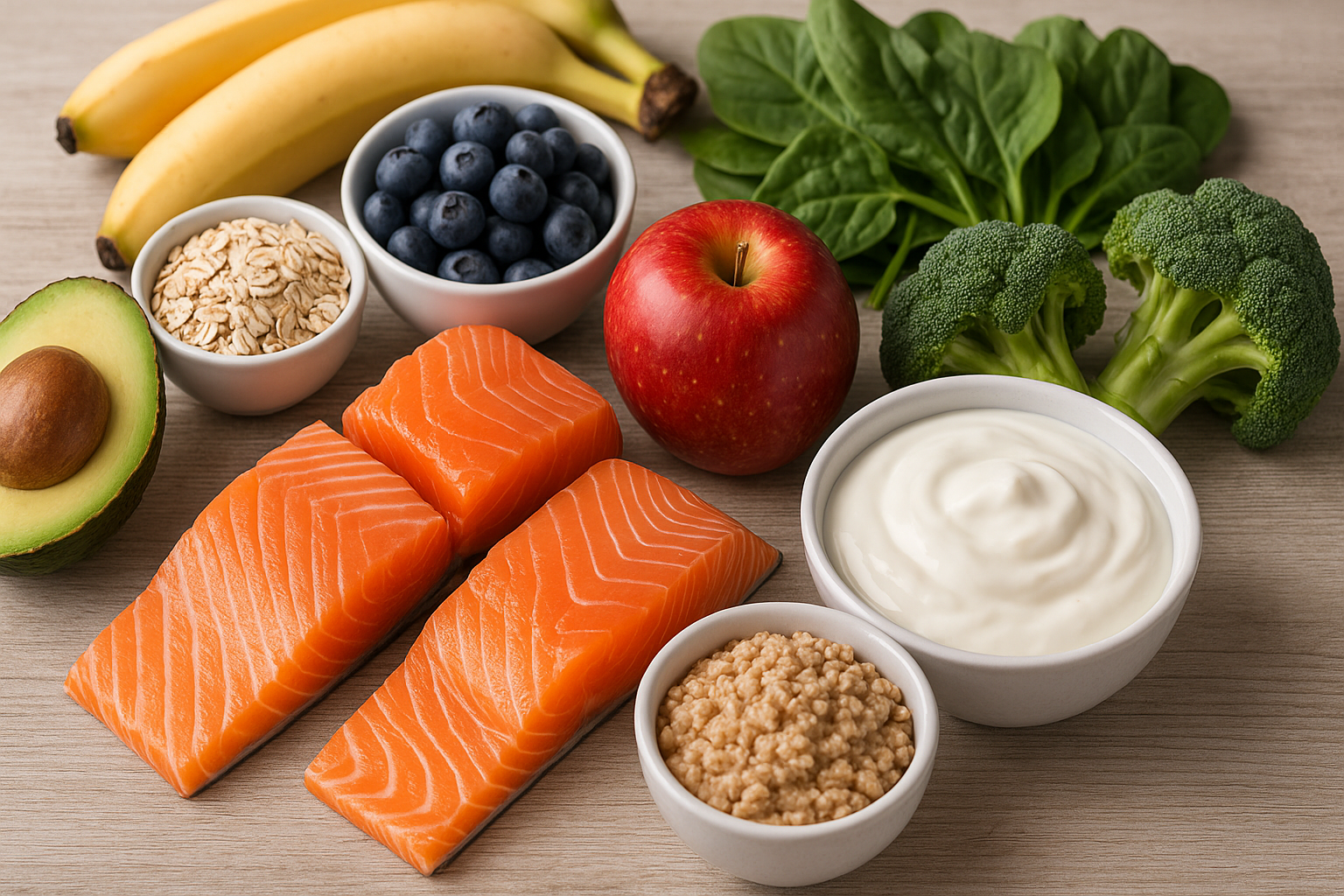

If you’re struggling with acid reflux or GERD and prefer natural methods, this post is for you. You’ll learn which foods help soothe symptoms, how to combine them for maximum benefit, and practical tips backed by science to reduce discomfort without relying on medication.
1. How Acid Reflux Happens & Why Food Matters
Acid reflux occurs when the lower esophageal sphincter (LES) doesn’t close properly, allowing stomach acid to flow back up into the esophagus, causing heartburn, regurgitation, or chest discomfort. Certain foods and eating habits influence both acid production and LES function. According to medical research, dietary choices are a central element in symptom control and management through medical nutrition therapy (alliedgidoc.com).
2. Core Principles of a Natural Acid‑Reflux‑Friendly Diet
Emphasize:
-
Low‑acid, alkaline foods that help neutralize stomach acid
-
High‑fiber, complex‑carb foods that absorb acid and promote digestion
-
Lean proteins with minimal fat to reduce digestion time
-
Probiotic‑rich and anti‑inflammatory items for gut health
Limit or avoid:
-
High‑fat, fried or greasy foods
-
Acidic triggers like citrus fruits and tomato products
-
Chocolate, mint, garlic, onions, spicy foods, caffeine, and alcohol—many relax the LES or irritate the lining (Health, pepcid.com, Healthline, Wikipedia).
Lifestyle matters too:
Eat smaller meals, avoid lying down within 3–4 hours of eating, stay upright after meals, and hydrate thoughtfully during meals (Cleveland Clinic).
3. Best Foods to Eat with Acid Reflux
A. Whole Grains & High‑Fiber Carbs
-
Oatmeal, brown rice, whole‑wheat bread, quinoa, and farro are excellent for absorbing stomach acid and improving digestion (Healthline).
-
Meta‑analysis shows low‑carbohydrate diets significantly reduce esophageal acid exposure compared to high‑carb diets (mdpi.com). While whole grains are healthy, reducing refined carbs can be beneficial for some.
B. Vegetables (Low‑Acid, High Fiber)
-
Green beans, broccoli, asparagus, cauliflower, carrots, leafy greens, peas, and potatoes have minimal acid content and help reduce stomach strain (Healthline, chop.edu).
-
Choose steamed or baked preparation methods—avoid frying or adding heavy sauces.
C. Non‑Citrus Fruits & Gut‑Friendly Fruits
-
Bananas, melons, apples, pears, papaya, and ripe pears are gentle on the stomach and can help neutralize acid (chop.edu).
-
Papaya in particular supports digestion with its enzyme papain, fiber, and anti‑inflammatory nutrients (realsimple.com).
-
Raspberries, rich in fiber and prebiotics, promote gut health without causing IBS‑type irritation (verywellhealth.com).
D. Lean Proteins
-
Skinless chicken, turkey, fish, seafood, tofu, legumes, Greek yogurt and cottage cheese are low in fat and easier to digest, helping limit reflux risk (Johns Hopkins Medicine, pepcid.com, massgeneralbrigham.org, Cleveland Clinic).
-
Use grilling, baking, broiling, or poaching—not frying.
E. Egg Whites
-
Egg whites are high in protein and low in fat, making them safer than yolks for reflux sufferers. Poaching is preferred over frying (pepcid.com).
F. Healthy Fats & Nuts
-
Avocado, olive oil, sesame oil, flaxseed, walnuts, sunflower oil and flaxseed are unsaturated sources that don’t trigger reflux as saturated fats do (Healthline).
G. Herbs, Spices & Natural Digestive Supports
-
Ginger, in tea or food, helps speed gastric emptying and reduce inflammation; start small to test tolerance (Healthline, pepcid.com, alliedgidoc.com).
-
Chamomile, caraway, turmeric, and lemon balm are anti‑inflammatory and soothing when used carefully (chop.edu, alliedgidoc.com).
H. Probiotic Foods
-
Plain Greek yogurt, kefir, sauerkraut, miso, tempeh, kombucha and fermented foods support the gut microbiome and help reduce inflammation, aiding reflux control (mdpi.com, glamour.com, chop.edu).
I. Soothing Drinks
-
Ginger tea, herbal teas (not mint), aloe vera juice (non‑citrus), plant‑based milks like oat, almond and soy, and water help dilute acid and support digestion (pepcid.com).
-
Some studies show slightly alkaline water can mildly counteract stomach acidity (pepcid.com).
4. Practical Meal Ideas & Tips to Maximize Effectiveness
A. Sample Meal Plan
| Time | Meal | Why It Helps |
|---|---|---|
| Breakfast | Oatmeal topped with banana, raspberries, a sprinkle of flaxseed, herbal tea | High fiber, low acid, gentle start |
| Mid-morning snack | Greek yogurt with papaya cubes | Probiotic + enzyme combo |
| Lunch | Grilled chicken salad with leafy greens, steamed carrots, olive‑oil vinaigrette | Lean protein, veggies, healthy fat |
| Afternoon snack | Apple slices with a handful of walnuts or seeds | Fiber, healthy fat, low acid |
| Dinner | Baked fish or tofu with brown rice/quinoa and steamed broccoli + green beans | Lean protein, whole grain, alkaline veggies |
| Evening | Chamomile or ginger tea; sliced melons beforehand | Soothing, acid-neutral breaks |
B. Maximize Effectiveness
-
Eat smaller meals every 2–3 hours instead of large plates; this lowers gastric load and pressure on LES (Health).
-
Stay upright after eating, avoid lying down for at least 3–4 hours (health.harvard.edu).
-
Chew gum after meals to increase saliva, which helps neutralize reflux acid (massgeneralbrigham.org, Health).
-
Track triggers by noting which specific foods may cause you discomfort—personal reaction varies (EatingWell, Healthline).
-
Lose weight and exercise moderately, like a daily 30‑minute walk, which improves gut transit and LES function (time.com).
-
Avoid large amounts of water during meals; instead, hydrate between meals to prevent overfilling the stomach (massgeneralbrigham.org).
5. When to Use Natural Foods & When to Seek Help
Natural, food-based strategies can significantly reduce mild to moderate GERD symptoms and improve quality of life. However, they’re not a cure—and some people may still need medical help:
-
If you rely on antacids more than once or twice a week
-
If symptoms persist for over several weeks despite dietary changes
-
If you experience difficulty swallowing, unexplained weight loss, or recurrent chest pain—these may require medical diagnostics (massgeneralbrigham.org).
Natural products like flavonoids, polyphenols, certain herbal extracts and probiotics show promising results in clinical studies, but dosage varies and regulation is limited, so professional medical oversight is advisable (mdpi.com).
6. Summary & Actionable Takeaways
-
Focus on low‑acid, high‑fiber whole grains, lean proteins, non‑citrus fruits, vegetables, probiotic foods, gentle herbs and healthy fats.
-
Use meal timing and behavior changes—small meals, upright posture, hydration outside meals, gum chewing—to boost results.
-
Track your personal triggers, as individual tolerance differs.
-
Combine dietary changes with regular walking, maintaining a healthy weight, and moderate lifestyle adjustments for best outcomes.
-
Seek medical advice for persistent or severe symptoms.
Final Thoughts
This natural‑food approach to managing acid reflux is about combining the right ingredients and simple habits consistently. Before you know it, you’ll be experiencing fewer flare‑ups, better digestion, and more control—without heavy reliance on medication.
